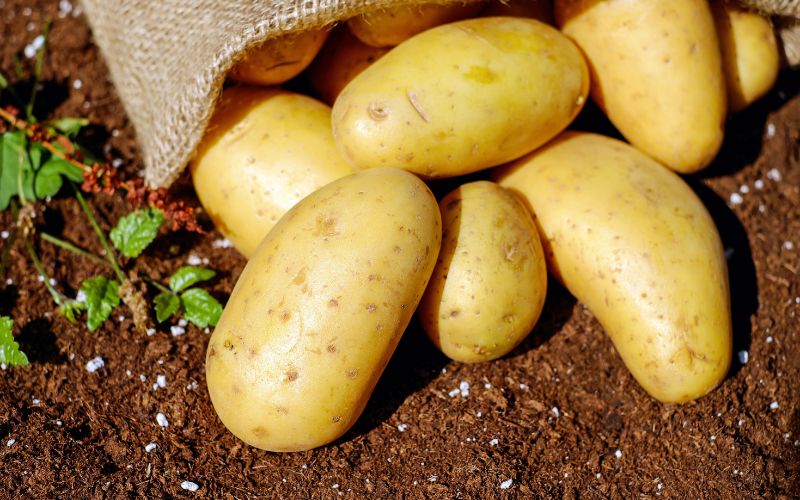
6 surprising health benefits of sweet potatoes that not everyone knows
White radish is not only a common ingredient in the daily meals of Vietnamese people but also a very popular food with many significant health benefits as well as low calories suitable for those who need to lose weight. So how many calories are in 100g of white radish?
So, do you know how many calories are in 100g of white radish? In the article below, Long Chau will inform you about the number of calories in 100g of white radish and the benefits it brings.
How many calories are in 100g of white radish?
There are many types of radishes, diverse in appearance, color and flavor. Among them, white radish is very popular in Asia, a food often used to prepare dishes. White radish is very low in calories but has an extremely impressive nutritional composition.
So, how many calories are in 100g of white radish? 100g of white radish contains only about 16 kcal. This makes it a good choice for those who are on a diet or want to control their weight. However, white radish is a food rich in nutrients such as:
- Carbohydrates: 2.5g;
- Calcium: 27 mg;
- Iron: 0.4 mg;
- Magnesium: 16 mg;
- Phosphorus: 23 mg;
- Potassium: 227 mg;
- Sodium: 21 mg;
- Zn: 0.15 mg;
- Copper 0.12 mg.
In addition to the nutrients mentioned above, white radish contains a lot of vitamin C, with about 124% of the daily nutritional value. Vitamin C is a water-soluble vitamin that is essential for health and is necessary for many organ systems in the body, including the immune system, cell growth and repair.
Furthermore, white radish contains powerful antioxidants, which protect the body’s cells from oxidative stress. In addition to vitamin C, white radish is also rich in folate, a B vitamin involved in cell growth, blood cell production, and DNA synthesis. Folate is essential during pregnancy and is essential for the growth and development of the baby.
Health benefits of white radish
White radish is not only a rich source of nutrients but also brings many great health benefits. Here are some of the health benefits that white radish brings:
Has antibacterial properties
White radish is considered to have antibacterial and antiviral properties. Some laboratory studies have shown that the active ingredients in white radish can fight against some pathogens such as Hafnia alvei , Lactobacillus , Bacillus thuringiensis and Penicillium lilacinum fungus . Thanks to this property, white radish can help the body stay healthy when having respiratory problems.
Improve intestinal system
Beet juice contains many enzymes similar to those in the digestive system, such as amylase and esterase. This helps improve the functioning of the intestinal system in the digestion of carbohydrates, proteins and other substances.
Helps detoxify the body
White radish is not only a food source for cooking but also considered a diuretic. This will help the kidneys to remove waste more effectively, keeping the kidneys and body clean and healthy.
Contains many protective compounds
Ferulic acid and quercetin, which are polyphenol antioxidants, are considered to have anti-inflammatory and anti-cancer properties. These compounds may help protect cells from free radical damage, reducing the risk of inflammatory diseases and cancer cell growth.
Boost immune system
Vitamin C, one of the abundant nutrients in white radish, plays an important role in strengthening the immune system. This ability helps the body fight pathogens and maintain overall health. Therefore, white radish is not only a rich source of nutrients but also a powerful ally of the body’s immune system.
Protection against chronic diseases
White radishes are low in calories, rich in nutrients, plant compounds, and fiber, which together protect the body from chronic diseases such as cardiovascular disease, diabetes, and some cancers. Although any vegetable in the diet is good for health and protects the body from harmful agents, the ability of the cruciferous family, including white radishes, may be superior in some conditions.
Improve bone health
Calcium is an important element that is essential for healthy bones and teeth. White radish contains a significant amount of calcium, which helps provide energy for the process of building and maintaining healthy bones. As a result, white radish becomes a useful choice in preventing osteoporosis, a common problem in the elderly. For those who are showing signs of osteoporosis or are entering old age, adding white radish to their daily diet can bring significant results.
Use in weight loss
With its low calorie content, white radish is a favorite food in weight loss diets. It helps create a feeling of fullness for a long time, while providing essential nutrients for the body. Thanks to its ability to control satiety and provide low calories, white radish becomes a sustainable source of energy for those who are maintaining a weight loss diet.
What should be noted when using white radish?
Although radishes in general, or white radishes in particular, are a diverse and nutritious food, there are some things to keep in mind to ensure safety and avoid health problems that may occur in some cases:
- Allergy : In rare cases, people may have an allergic reaction to white radish. The allergy may include symptoms such as itching, swelling, or difficulty breathing. However, this is very rare.
- Lowering blood pressure: Radishes have diuretic properties and can cause low blood pressure when consumed in excess. Therefore, those with blood pressure problems should be careful with the amount of white radish they consume.
- Dehydration: Due to its diuretic properties, consuming too much white radish can increase the risk of dehydration in the body. This can affect the water balance. You need to pay more attention to this issue to maintain adequate water consumption when using a lot of white radish in your diet.
- Stomach irritation: The high fiber content of daikon can cause stomach irritation in some people. If you have stomach problems or a sensitive stomach, reducing the amount of daikon in your diet may help reduce these side effects.
- Hypoglycemia : Eating too many radishes can lower blood sugar levels below normal. People with diabetes or those undergoing blood sugar-related therapy should discuss with their doctor or health care professional how much radish they should include in their daily diet.