Unexpected effects of potatoes on health and skin
Contrary to popular belief, potatoes are actually a very nutritious food that is good for health and beauty. People who regularly go to the gym or play sports also receive many benefits from potatoes.
So specifically, what are the effects of potatoes? What nutrients do potatoes contain? Please read the article below to answer the above questions.
| Nutritional value | Over 100g potatoes |
| Calories | 87 |
| Protein | 1.9g |
| Carbohydrate | 20.1g |
| Road | 0.9g |
| Fat | 0.1g |
| Fiber | 1.8g |
| Calcium | 5mg |
| Iron | 0.3mg |
| Magnesium | 22mg |
| Potassium | 379mg |
| Zinc | 0.3mg |
| Manganese | 0.14mg |
| Selen | 0.3 mcg |
| Folate | 10 mcg |
| Thiamine (vitamin B1) | 0.1mg |
| Riboflavin (vitamin B2) | 0.02mg |
| Niacin (vitamin B3) | 1.44mg |
| Pantothenic Acid (Vitamin B5) | 0.52mg |
| Pyridoxine (Vitamin B6) | 0.3mg |
| Vitamin C | 12.4mg |
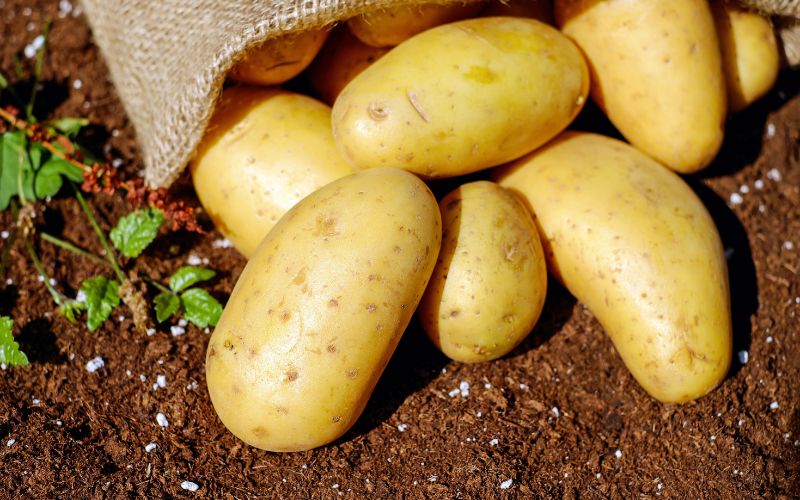
Potatoes are tubers that belong to the nightshade family and are related to tomatoes. Potatoes are quite easy to grow and can survive and adapt to many different climates. This is also a popular food in many countries, especially in the West.
Contrary to popular belief, potatoes are not bad at all, but on the contrary, they contain many important nutrients and bring many health benefits, if used properly.
100g of potatoes contain 87 calories and nutrients such as vitamin B, vitamin C, calcium, iron, zinc, magnesium, potassium and a small amount of fiber.
Potatoes are also a great source of antioxidants. Coloured varieties like purple and red potatoes contain three to four times more antioxidants than white potatoes.

Potatoes, if processed and used properly, can bring many health benefits. Below are some surprising effects of potatoes that you may not know.
Potatoes contain no cholesterol
The first plus is that potatoes do not contain cholesterol, so they do not have a negative impact on heart health. Potatoes are also rich in fiber, potassium, vitamin C and B6 – all of which are heart-healthy ingredients.
The fiber in potatoes has cholesterol-lowering properties. Vitamin C and vitamin B6 help reduce free radicals, and carotenoids help maintain normal heart function.
Vitamin B6 also plays an important role in the methylation process. It changes homocysteine molecules into methionine. High homocysteine levels can damage blood vessels and, at severe levels, can increase the risk of heart attacks and strokes.
Potatoes help lower high blood pressure

Potatoes are a great source of potassium, even more than bananas. The skin is the part with the most potassium and is also a good source of fiber.
Eating potassium-rich foods like potatoes can help lower high blood pressure by dilating blood vessels to increase blood flow to organs.
In addition, scientists have also discovered that potatoes contain kukoamines – which are related to stable blood pressure levels.
Eating potatoes helps control weight
Contrary to popular belief, potatoes are actually a food that is quite suitable for weight loss.
Potatoes are rich in nutrients but very low in calories, only about 87 calories per 100g of boiled potatoes. They are also very low in fat and sugar.
In particular, potatoes contain a type of protein that can significantly increase feelings of fullness and reduce hunger, which is a proteinase inhibitor (PI2).
In one study, participants consumed 38 common foods and rated them based on how filling they were. Potatoes received the highest ratings for filling.
Potatoes help increase metabolism
Potatoes are a rich source of B vitamins. B vitamins play a very important role in metabolism, helping to efficiently convert food into energy.
Fast metabolism helps you control your weight as well as lose weight easier.
Eating potatoes helps improve the digestive system

Potatoes contain a moderate amount of fiber, which can promote bowel movements and relieve constipation. Note that this fiber is mainly concentrated in the skin.
In addition, potatoes can also reduce diarrhea, while providing a lot of potassium to help compensate for the amount of potassium lost during diarrhea, helping the body recover faster.
Eating potatoes can reduce the risk of cancer
Potatoes are rich in antioxidants such as flavonoids, carotenoids and phenolic acids and vitamin A. They help neutralize harmful free radicals. Excessive accumulation of free radicals can increase the risk of chronic diseases such as diabetes, heart disease and cancer.
The quercetin compound in potatoes has also been shown to have anti-cancer and anti-tumor metastasis properties.
Research also found that: colored potatoes such as purple potatoes and red potatoes contain 3-4 times more antioxidants than white potatoes.
Potatoes help improve brain function
An enzyme in potatoes called alpha lipoic acid may help boost overall brain cognitive function. Some studies have linked it to a lower risk of Alzheimer’s in older adults.
Brain function is maintained normally thanks to glucose, oxygen, hormones and B vitamins. Potatoes contain a lot of carbohydrates so they can increase blood glucose levels to provide energy for the brain, while helping to reduce nervous tension.
Iron in potatoes can provide hemoglobin to help transport oxygen to the brain. In addition, other vitamins, minerals and antioxidants in potatoes also positively affect brain function.
Potatoes provide many minerals for strong bones.
Iron, magnesium, phosphorus, zinc and especially calcium in potatoes are all nutrients that participate in building and maintaining bone structure, increasing bone density to make bones stronger.
Potatoes help reduce inflammation
Potatoes contain many ingredients that help reduce inflammatory responses in the body. For example, vitamin C is an antioxidant that promotes the repair process and enhances the regeneration of damaged tissues.
Potatoes are rich in anthocyanins, potassium and vitamin B6 which can reduce intestinal inflammation. Patients with arthritis or gout are also encouraged to consume potatoes to limit inflammation from recurring.
Potatoes help reduce premenstrual symptoms
It has been found that eating potatoes can help reduce some premenstrual symptoms. This is the period about 5 days before menstruation, with symptoms such as abdominal pain, aching bones and joints, headaches, mood swings, etc.
The high carb content in potatoes has the ability to increase tryptophan levels, which is a factor that helps promote serotonin production in the body. Serotonin is a neurotransmitter that can increase happiness levels and reduce stress and anxiety.